Showing posts with label record shops. Show all posts

Friday, 21 April 2023

Criminal records

A casual stroll through Covent Garden recently left me in a state of shock. Visiting central London’s only chain record shop, my eyes were assaulted by the price of vinyl. Somehow, and since Christmas, there were ‘regular’, single-disc albums priced as much as £34.99. Thirty-five quid for a record - when did that happen?

To be fair, there was no real rhyme or reason for any of the pricing. Looking across current best sellers on the HMV website, Aurora by Daisy Jones & The Six is one of those with the £34.99 price tag, while the pink vinyl version of Lana Del Rey’s Did You Know That There's A Tunnel Under Ocean Blvd (which also comes with a poster) is £36.99. The new remaster of Pink Floyd’s The Dark Side Of The Moon: Live at Wembley 1974 is £22.99, but that old staple, Fleetwood Mac’s Rumours is £24.99. For reasons best known to someone, Radiohead’s venerable OK Computer is £29.99.

Even allowing for some releases being on coloured vinyl, there is nothing musically obvious to warrant a difference of almost £20 with CD versions, and yet vinyl continues to outsell CDs, to such extent that the format has largely been marginalised in record shops in much the same way that, ironically, vinyl virtually disappeared as the new digital system got going back in the late 1980s. 

What makes vinyl’s pricing more remarkable is that younger consumers - somehow - appear to be buying records at prices that even I, with the salary to match, baulk at. So what is fuelling it? For a start, the CD is in terminal decline, 41 years after it was introduced by Philips and Sony. 

Last year some 33 million CDs were sold but, according to the Recording Industry Association of America, that was an 18% decline on 2021 when - probably driven by lockdowns and people discovering that they still had a CD player - the CD had enjoyed its first annual increase in 17 years. Vinyl, on the other hand, has continued to grow, with just under a billion pounds’ worth sold in 2022, amounting to just over 41 million records. Today, it represents 71% of all the revenue made from physical music formats. 

Why, is still an intangible. Music executives talk about the better sound quality of vinyl and almost everyone who had converted - or reconverted - to playing records again will talk up the tactile experience of putting a needle on the intro groove. 

That, certainly, drove the return of Baby Boomers to vinyl, having been previously converted to digital formats. Tentatively, they ventured into hi-fi shops and electrical departments and bought cheap turntables and discovered they could recreate their teenage years by digging out albums long consigned to the loft. However, their children also cottoned on, finding greater affinity with those 12-inches of plastic and the ever-increasing marketing ingenuity with which labels peddle exclusives, reissues and cute gimmicks like coloured vinyl.

Here in the UK, vinyl hit a 30-year high last year, according to the BPI, led by the cross-generational appeal of Taylor Swift, whose records seem to be bought by dads and daughters alike. It even led to the beleaguered HMV chain being revived, having almost disappeared completely before being bought by private investor Doug Putman, who also owns Fopp! record shops. “Walk in today, and it’s unbelievable how many ten, 15, 18-year-olds are in the store,” he told the BBC recently. “I’m telling you, that’s good for us long-term.” 

But even so, given the cost-of-living crisis affecting every age group, one way or another, the suddenly exorbitant price of vinyl must surely be impacting demand. But why is it so expensive? Firstly, there are some boring reasons for how a vinyl record is priced: the economics of pressing up records plays a huge part, wherein record labels and artists need to meticulously plan demand to ensure the pressing process is as efficient as possible. There are increasing costs with the raw materials, too, with the cost of shipping the lacquers used to master discs nearly trebling in the last year or so - another expense passed on to the consumer.

During the pandemic, where records were being ordered online, often on a whim, manufacturers struggled to keep up as they, too, were impacted by staff shortages, but some of these haven’t yet recovered, leading to records taking three to six months to get pressed, often leading to limited supplies, and higher demand, especially for premium editions. Metallica - the sixth-highest vinyl-selling act in the US - have even bought their own pressing plant to help with manufacturing their own records. 

We are, of course, mainly talking here about the new production of records, but the second-hand market has also experienced inflationary pricing (much the same as for cars, interestingly enough) as people have resorted to Discogs, eBay and market stall box digging to buy ‘authentic’ originals, with their scratches, blemishes and all. However, another factor affecting the supply of new vinyl is the actual length of records: in the 1960s and 1970s it wasn’t uncommon for an album to last no more than 35 minutes or, at the very most, 20 minutes a side. When the CD came along, artists could fill an album with up to 70 or even 80 minutes of music on a single disc. Vinyl’s resurgence has brought back the physical challenges, that a 12-inch album can only contain so much music within its grooves - even less with so-called ‘180 gram’ audophile releases which present a tradeoff of higher quality, usually to appeal to older consumers buying a classic album for the second or even third time in their lives. 

Marketing will have another affect on the cost of an album: record companies have become ever more inventive with the use of coloured vinyl, but each vivid, thematically-relevant colour requires additional materials and dyes to work, unlike the simplicity of dull old black. Vinyl’s resilience is, then, ultimately the result of clever salesmanship mixed with fashionable appeal. While manipulating a piece of software code to play an album on a phone or a home hub device is as simple as turning on a light, vinyl has managed to keep its cool. Which record companies are perfectly aware of. Desire is more impactful than mere demand, and the economics at play here shouldn’t be rocket science. 

Inflation is also impacting the price of an album, but the question is whether deflation will bring prices down as well. There is certainly little evidence that the vinyl revival is just a fashion craze - in fact, the format’s resurgence has been going for the last 15 years at least. But given how financially squeezed everyone in the record-buying demographic will be right now, inevitably, it remains to be seen whether a £35 impulse purchase is being deferred, especially when a new album can be conveniently ‘tasted’ on Spotify for £10 a month.

It’s going to be interesting to see whether pricing has any affect on this year’s Record Store Day, taking tomorrow. As was its intention, the initiative, founded in 2008 to drive traffic away from online vendors and into independent shops, had the effect of vinyl fans young and old (me included) splurging on the day’s limited edition releases. However, the trend for providing a sales bonanza for ‘legacy’ acts reissuing venerated albums and rarities, has come in for some criticism, with smaller labels and their lesser known acts often struggling for attention (and, also, feeling relegated by record manufacturers prioritising money-spinners like Taylor Swift).

Not that the major record companies will be complaining. At the end of the day, they know that consumers remain willing to pay a premium for vinyl - and not necessarily to experience the supposed “warmth” of a record. In 2022 the American industry body Luminate, found that half of vinyl buyers even own a record player. A similar story has been spun with the revival of cassettes, with acts like the Arctic Monkeys and Harry Styles selling thousands of tapes despite there being no clear idea on what they’re being played on. 

But sell they are, fuelled by teenagers wishing to own something kitsch, turning the cassette into a youth fashion, along with the revival of 1980s-style baggy clothing. “Growing up, cassettes were a rite of passage as we listened to our favourite artists,” Sophie Jones, interim chief executive of the BPI told The Times this week, though she pointed out that tapes represented a minuscule segment of music consumption. “Like vinyl, a number of contemporary artists are warmly embracing the cassette as another way to reach audiences and on occasions it has even helped them to achieve a No 1 album.”
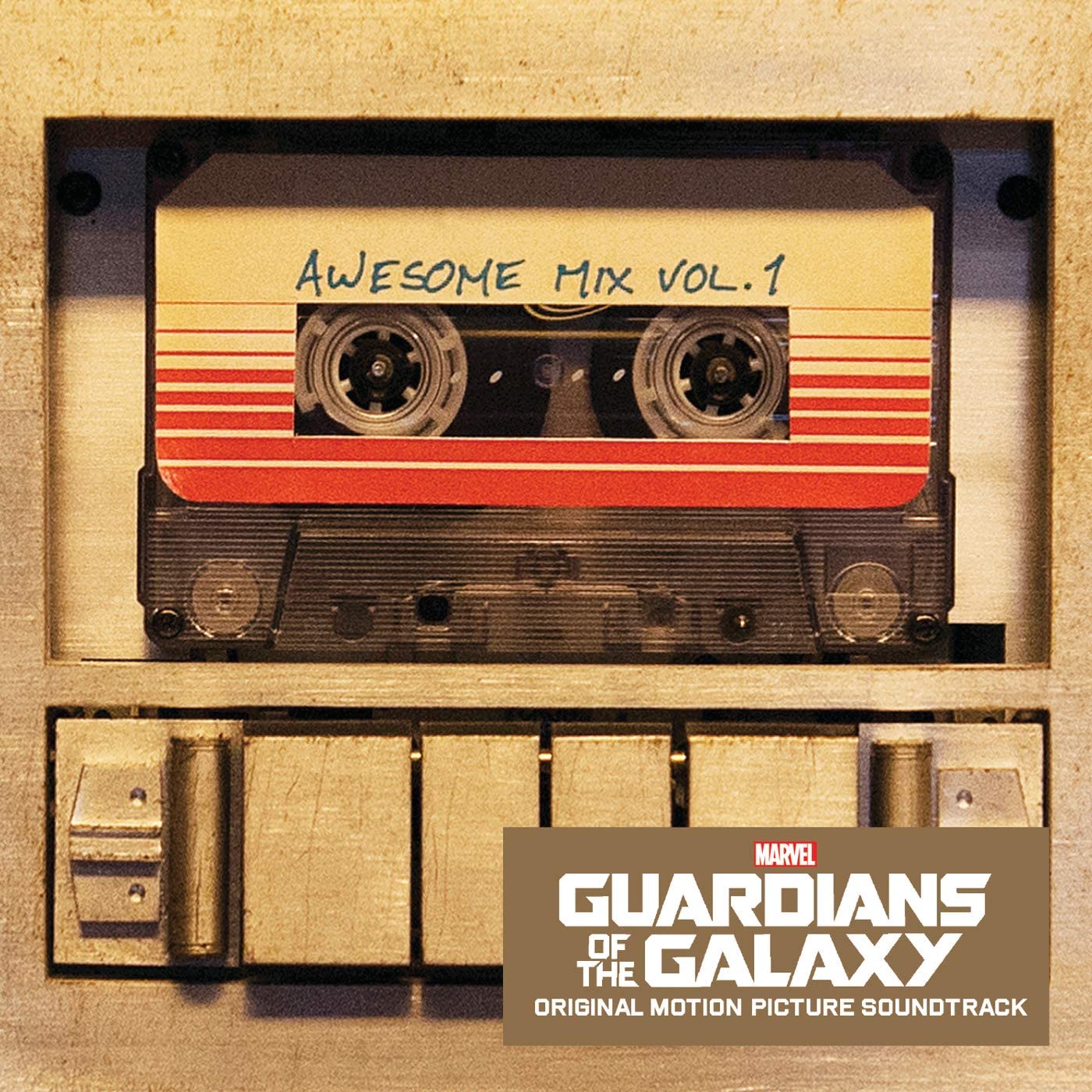
For those of us who remember cassette as the original cheaper alternative to vinyl, we will have some fondness, but not much. Taking music on holiday was never much fun when, along with the Walkman, you had to lug a large box full of tapes to listen to. 

And, yes, there were the occasional disasters as tapes became wound around the deck’s playback heads (leading to the now lost phenomenon of roadside hedges ‘decorated’ with discarded magnetic tape, along with…er…mysteriously, porn magazines…).  

Make no mistake, physical formats are in the relative minority, whatever hipsters venturing out tomorrow for Record Store Day might think. Streaming remains by far the leading means of hearing new music and old alike, even if a ‘free’ listen on Spotify does lead to a physical purchase. 

But for all the convenience of streaming and, like so many one-click aspects of our now-digital lives - from ordering food to buying books and paying bills - there is something reassuringly old school about taking a record out of its sleeve, putting down a needle on its first groove, and listening to the artist’s intended track order before having to get out of the chair and flip it over. In a small way, it’s a reminder of a slower, less instant time, before the mouse or the remote control. I just wish it wasn’t so bloody expensive.

Wednesday, 21 July 2021

Mixed signals: buying records on your high street

Barely a fortnight after Sainsbury’s announced that it will stop selling CDs and DVDs in the face of streaming services dominating media consumption, and just a few days after the second Record Store Day ‘drop’ for 2021, dear old HMV has celebrated its 100th birthday by announcing that it is planning to 10 new shops this year.

While this is hardly a raging endorsement of physical media continuing to enjoy rude health, it at least is a positive sign that the oft-predicted death of such formats is being kept at arm’s length. Sainsbury’s said that its decision was the result of consumers increasingly getting their music and films online, although conversely it added that it would continue to sell vinyl records in some stores, a reflection of vinyl’s hipster appeal amongst everyone from teenagers to the middle-aged getting back into the format and succumbing to impulse buying while out doing the weekly grocery shop.

Notably, Sainsbury’s supermarket competitors are continuing to sell CDs and DVDs, so the decision isn’t necessarily the shock headlines might suggest. There is no denying that CDs, DVDs and even Blu-ray Discs are in long-term decline: I’ve blogged before about the minor conflict this has placed me in, having worked for Philips on the consumer electronics industry’s launches of DVD and Blu-ray Disc, the company having co-developed the CD with Sony in the decade before, starting the rise of the 12cm ‘optical’ disc as a multi-faceted carrier of digital entertainment and media content.

But, progress is progress. The irony of all this is that the CD and its various offspring were meant to kill off the vinyl record, and yet that format has enjoyed a resurgence, with UK salesreaching 4.8 million in 2020. Indeed, the BPI says that LP sales will eclipse CDs this year for the first time since the late 1980s. “Demand [for CDs] has been following a long-term trend as consumers increasingly transition to streaming,” a BPI spokesperson told the BBC. “Resilient demand is likely to continue for many years, enhanced by special editions and other collectible releases. If some retailers now see the format as less of a priority, this will create a further opportunity for others, such as independent shops and specialist chains such as HMV, to cater to the continuing demand.”

While I rarely buy a Blu-ray edition of a film or a box set these days (I now share a house with my family and don’t have the space for masses of media as I had in my single days, so online services make a lot of sense) I do still buy music, with a combination of vinyl, CDs and digital copies, depending on my mood, collectability (e.g. special editions) and even whether I’m purchasing an album on spec, as opposed to a must-have I might want to have on display. I wouldn’t be the only one who sees vinyl collecting as much as an Instagram fetish as about music appreciation. I am also of the High Fidelity mentality, one of those middle-aged men who still derive pleasure from rifling through racks in musty independent shops staffed by ever-so-slightly intimidating cooler-than-you types. It’s an age-old tradition and long may it continue.

There is, though, still a place for the HMVs of this world. When the chain went into administration in December 2018, threatening anyone with entertainment media on their Christmas lists, it cast a pall over the future of buying and owning records. One of HMV’s attractions, from a mass consumer point of view, was that it made ‘supermarket’ shopping for entertainment easy, with multi-buy bundles (e.g. “2 for £10” offers) a cunning ploy to part cash for more than you might have entered a shop in search of. My CD collection is certainly the beneficiary of deals like that (along with regular holiday raids to American chains like the now defunct Tower Records and Amoeba, particularly during the days of more favourable dollar-pound exchange rates).

News that HMV will open 10 new outlets this year is a glimmer of hope on a couple of counts: firstly, COVID-19 has hit the ‘non-essential’ retailing sector hard thanks to high street lockdowns over the last year and a half. This has been accompanied the double- or even triple-whammy of media sales shifting to core online retailers like Amazon for home delivery convenience, along with the continuing growth of streaming services. Doug Putman, the Canadian entrepreneur who bought out the HMV brand from administration in 2019, and has since reopened 107 sites, has warned that the future of on-premises retailing in the UK is still not guaranteed.

Doug Putman
Picture: Joe Fiorino/Canadian Broadcasting Company

Putman says the government needs to urgently fix business rates, which are based on property rates but are notoriously slow to adjust to market levels, resulting in retailers and other high street businesses continuing to pay very high costs in the face of rising competition from online services with a lower cost base. “If the government doesn’t fix the rates, high streets are going to see a lot more vacancies,” says Putman. “Business rates just don’t make much sense. You can pay zero rent and not make a profit on a store as rates are too high.” 

As seen recently by announcements by Gap and other fashion retailers, in-store shopping is facing an existential crisis, and the pandemic hasn’t helped, even accelerating its demise. It is sad, says Putman. “Outside of the illness, when you look at people’s lives, a big part of that is walking outside and going to the high street and doing some shopping. When you see bookstores and coffee shops, and HMVs, closed and everything online it is not as much fun as it used to be. Hopefully people have seen this world where everything is Amazon and it is not all that great.”

Steven Wilson launches his album To The Bone at the HMV store in Oxford Street

One of HMV’s priorities will be to restore its flagship to London’s Oxford Street. The retailer opened its first HMV shop in 1921 when, as the Gramophone Company (which became EMI in 1931), it took over an old clothing shop at no 363. The shop was closed as part of the administration process at the end of 2018, but Putman has said he would like to find a new location in Central London. The prospects of that, however, amid continuing schism in both domestic and foreign tourism to London, might make it unlikely in the short term, given that the cost of commercial property in the city is driving retailers out, rather than drawing them in.

The other challenge for HMV will be market dynamics. While Sainsbury’s might be getting out of CD and DVD sales in the face of slowing turnover for the formats, others, like Tesco and Asda will continue to take “market share” by undercutting traditional music retailers - be it HMV or the independents. Industry writer Graham Jones has noted that supermarkets stick to a narrow choice of CDs from popular chart acts like Ed Sheeran, rather than back catalogues and more eclectic fare. Indeed, in 2008 Jones discovered an independent record shop buying bulk copies of the latest Coldplay CD from Morrisons, rather than wholesale from the record company because the supermarket offered them for less.

Speak to more hardcore music consumers, as opposed to impulse shoppers, and the love of physical media continues to drive behaviour. One of the pillars of CD and vinyl buying to begin with, over streaming, is the belief that it’s always available, a point that does suggest continuing Luddite sentiment that the Internet can go down, or that titles can disappear due to licensing windows ending. This conveniently ignores the fact that lugging 12-inch records and even CDs around isn’t so convenient if you don’t have anything to play them on. But there’s no denying the emotional bond that people - yes, like me - have to the physical format. “I can't imagine a world where media is not in your hands and not yours,” one seasoned consumer recently told the BBC in response to the Sainsbury’s news.

There are, then, two issues at work when it comes to HMV expanding, a little further, as it tries like so many other bricks-and-mortar retailers to remain afloat on the high street. Firstly, there is the inexorable rise of online shopping - regardless of the pandemic - which is a convenience that is now just an established fact. And secondly, in HMV’s case, there is the cultural shift away from physical ownership as the shift continues to digital.

“People obviously love going out shopping,” Doug Putman told the BBC this week. “They like touching and feeling and that’s something that online is not going to replace. He remains sure that the high street, despite increasingly gloomy predictions, will not become one long parade of charity shops and coffee chains, as so many have become. “I’m still very optimistic on the [HMV] business and business as a whole on the high street,” Putnam added. “I still think the high street is just something so special.” He has a point, but it’s one that flies in the face of convention, and that high streets have become centres of the service economy rather than the destinations of discovery they once were. I do know that if HMV were to open up round the corner from me I’d probably be forever in it, but I suspect that I - and perhaps my vinyl-loving teenage step-daughter - would be the exception.

Friday, 4 May 2018

Record store daze


Two weeks on from this year’s Record Store Day, Danny Baker may have finally calmed down. His Twitter rant, on the eve of RSD, about record company "vampires" exploiting poor saps like me with limited-edition, available-for-one-day-only pressings of records we probably already own, was particularly fruity. Over several tweets Baker (for almost half a century a voracious record collector himself) frothed with some justification about the Record Store Day "racket" and "this stupid treasure hunt" being "so much less about indy [record] stores than creepy eBay limited editions". And those were some of the milder remarks.

While some of Baker’s eruptions were a tad overblown, he made a good point in that local independent record shops - much like a Christmas present puppy - should be for life, not just one single day. This is an argument supported by Garth Cartwright, who has just written the deliciously insightful Going For A Song: A Chronicle of the UK Record Shop.

"Record Store Day certainly increases turnover for shops and gets them some attention," says Garth, "but the whole RSD 'limited edition vinyl' thing is a scam. You need to be nice to record shops like you are nice to your mother - all year round, not only one day a year!".

Nevertheless, record shops this year reported another day of boffo business, with some doing as much turnover on that day's trading than in the usually moribund entire post-Christmas period. This year’s best sellers, such as David Bowie’s triple-live LP Welcome To The Blackout, helped generate a 16% increase in RSD album sales, with 60,000 LPs sold in the UK as part of the exercise. Rachel Lowe of Brighton’s Vinyl Revolution told the industry trade magazine Music Week that April 21 had been "the best day we've had since opening" and that "the revenue will help our young shop immensely but the publicity and goodwill will last much longer".

Picture: Surrey Comet
Jon Tolley of Banquet Records in Kingston-upon-Thames said that RSD was "hands down our busiest day of the year" and a "great shot in the arm" for the business. He told Kingston’s local newspaper, the Surrey Comet, that Banquet had seen more than 1,000 people queuing up, some since 6.30am the previous morning. "Our business year revolves around Record Store Day, which really lasts at least a fortnight," he said. "It’s a great time to not only celebrate physical music but also the weird and wonderful independent shops who sell it."

Such "weird and wonderful" shops provide a strong component of Garth Cartwright’s book, for which the New Zealand-born author travelled the UK, talking to shop owners, record collectors and even musicians to map both the national history of record shops as well as the state of play today. Going For A Song builds a fascinating picture of record buying culture that transcends the traditional tropes of musty shops staffed by cocky cynics like Jack Black's High Fidelity character, as well as some of the characters who made record shops cathedrals of their worlds - famous patrons such as Bowie and Elton John, and former employees like Dead Or Alive's Pete Burns, Dusty Springfield and, of course, the aforementioned Baker. Some shops, such as Dobells in London's Charing Cross Road, played an integral part in the evolution of Britain's post-war musical habits as a mecca for jazz, blues and folk records, while Liverpool's NEMS department store - whose record section was managed by Brian Epstein - became key to The Beatles' own story, and was, by the 1960s, the most successful record shop outside of London.

Garth Cartwright

Incredibly, though Ground Zero for the British Record Shop was neither in London or in the rock and pop era: it was Cardiff. "Cardiff is home to Spiller’s, the world’s oldest record shop," reveals Garth. "It was founded in 1894 to sell wax cylinders (amongst other electrical goods) and developed its focus on only selling records in the 1920s - and continues doing so today. Why is sleepy Cardiff home to such a historic shop? Because in the late 19th Century it was a booming port and much of the coal trade came through here - a boom town - which meant there were people with lots of money around. And people with money tend to buy new technology. Wax cylinders and wax cylinder players weren’t cheap when they came on the market."

It's long been believed that, as word reached these shores in the 1950s of rock'n'roll, Elvis and the blues, cities with strong maritime links became gateways for imported American music. Garth says there's a little bit of myth to this theory: "Liverpool, another booming port city, and Manchester, a massive industrial city, became home to important record shops," he says, "but I actually don’t think the transatlantic liners provided so many records. What I’ve learnt is that the UK has long been obsessed with American music - minstrels were popular here in the 19th Century and there was a banjo craze at the start of the 20th. Then jazz exploded across the UK, post-World War One, and record labels - both majors and indies - were releasing some jazz, blues and country '78s from then on."

Garth notes that the record industry in the 1960s was (and still is) profoundly London-centric. From a record shop point of view, however, London is only a bit-part player in the story. "Brian Epstein could not get The Beatles a record deal as the London-centric labels were absolutely contemptuous of music from outside 'the Smoke'. That he did came through him being such a good client of HMV, with NEMS selling large amounts of [their] records."

Regional shops became intertwined with their local music culture. "There were regional music scenes, like Merseybeat, across the UK and all reliant on their local record shops," Garth says. "There was no Radio 1 until 1967, so the record shop was where you went to hear new music. The Beatles used to colonise NEMS’ listening booths! The Diskery in Birmingham - still trading today! - was a big place for the early Northern Soul DJs. Selectadisc in Nottingham too. Not that these shops were specialist soul shops - they sold everything but ensure they got R&B 45s for the local mod scene."

Specialist music shops, however, continue to be resilient in the UK music scene, albeit in proportionally smaller numbers than mainstream outlets. "There remain a handful of 'ethnic' record shops that continue to sell music related to their communities," says Garth. "Southall - which once was home to great Indian record shops - now has the Afghan Music Centre. At the bottom of Brick Lane there’s Sangeeta Ltd which still stocks CDs and cassettes from Muslim artists in Pakistan, India and Bangladesh. Melodi Muzik in Green Lanes is a Turkish shop that focuses on Turkish music and musical instruments and football paraphernalia. Supertone in Acre Lane, Brixton, is an old school reggae shop that also stocks what the owner calls 'big people music', i.e. old R&B, Elvis and Jim Reeves LPs that older West Indians love. In Brighton there’s The Record Album, a vinyl-only shop established in 1948 and run since 1960 by George Ginn - he specialises in soundtracks and showtune albums. George is a lovely man and has a very eclectic stock in the sense of stocking some really weird albums - John Wayne’s one spoken word album! Fabulous!".

The depth and scale of Garth's research for the book is impressive, as is his clear enthusiasm for the characters and stories he encountered along the way. But the book does also reflect the clearly changing landscape: "I landed [in the UK] in 1991 and record shops then were everywhere - from megastores run by Virgin, HMV and Tower Records, to junk chains on the high street like Our Price and basement dance shops selling techno 12"s and beyond. Today very little of that remains: I miss places like Mole Jazz and Beano’s - Europe’s largest second-hand record shop in Croydon. The Tower Records in Piccadilly had really deep stock."

Greenwich's finest - Casbah Records on Record Store Day

© Simon Poulter 2018

Today, says Garth, there are still plenty of good independents on offer with, even, new players opening up: "After the crash of the CD and the megastores, and the high street Top 40 chains, people have retrenched and decided that they like buying vinyl and going to good independent stores. Eel Pie Records [in Twickenham] is a great example of a new shop that has a musical vision - Phil and Kevin love music and have worked in the industry for years so they’ve gone about opening a record shop that reflects their passion and knowledge. They’re not attempting to compete with the supermarkets. Instead, they’re championing fresh, independent music. This is the way forward."

"There’s lots of good shops," he adds, from the specialists I mentioned before through to longstanding outlets like Reckless Records, Sound Of The Universe, Honest Jon’s, Soul Brother and new places like If Music in Soho and Lorenzo’s Record Shack in Peckham." Garth, who lives in south-east London, regularly visits Camberwell's Rat Records as well as my own local emporium, the very brilliant Casbah Records in Greenwich (dangerously located just 600 yards from my front door...).

While the record shop landscape has changed, as chains like Tower Records, Virgin Megastore and Our Price have vanished from high streets over the last couple of decades, the business is still relatively vibrant. Margins might be thin and rents might be high, and while we shouldn't get too carried away by the so-called vinyl "boom", shops like Casbah remain the knowledgeable, if slightly intimidating experiences they've always been. Garth is somewhat cautious: "I think the club-going, DJ-ing youth are into buying records on vinyl, but most people just want to listen to music on their phones." Times have changed, he says: "Back in the 1950s and '60s most people bought their records in Smiths and Currys, and Mantovani was the most popular album seller in the UK," but adds that there remains a resilient core of consumers - semi-obsessive middle-aged blokes like me as well as Millennials and hipsters - keeping the trade going. "So long as there is a developing community of record shoppers I believe there’s a future for good record shops," he concludes.

---

Garth Cartwright discusses Going For A Song: A Chronicle of the UK Record Shop in the next Word In Your Ear podcast - details of which will be published here. The book is published by The Flood Gallery and can be ordered via their website.